
Should I trust a digital underwriter more than a human one?
A detailed analysis of digital vs. human underwriter trust, comparing accuracy, fairness, and transparency with cited research for insurance applicants.
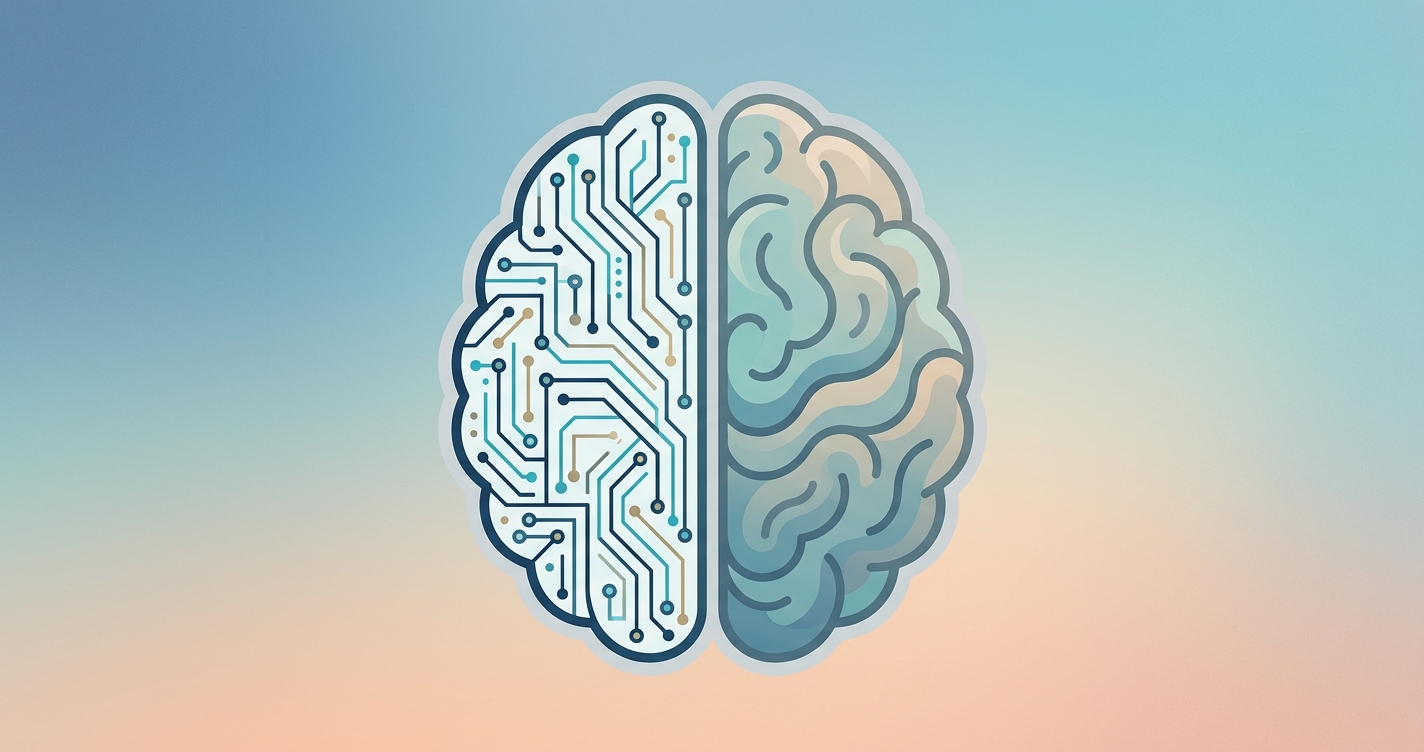
The question of whether to trust a digital underwriter more than a human one has moved from a niche industry debate to a mainstream consumer question. As insurers rapidly adopt automated systems to determine eligibility and price policies, applicants increasingly face processes that are faster but also more opaque. This shift prompts a critical evaluation: does a faster, automated decision necessarily mean a better or more trustworthy one? The answer lies in understanding the fundamental differences in how humans and algorithms assess risk, their respective strengths, and where the industry is heading.
"A 2023 study found that an improved Extreme Gradient Boost model achieved 93.8% prediction accuracy on the testing dataset for standard life and health insurance classes, a significant leap in consistency over manual methods."
Digital vs human underwriter trust: an analytical comparison
The core of the digital vs human underwriter trust debate centers on a trade-off between the perceived empathy and nuanced understanding of a human and the data-driven consistency of a machine. A human underwriter can assess qualitative information, understand unique personal circumstances, and potentially make exceptions based on a holistic view of an applicant. However, this process is inherently subjective and susceptible to individual biases, fatigue, and inconsistency across different underwriters and times. Research has shown that manual processes can lead to varied outcomes for similar applicant profiles.
Digital underwriters, powered by AI and machine learning algorithms, operate on a different paradigm. They process vast datasets to identify patterns and correlations that are often invisible to human analysts. For example, machine learning models can improve underwriting precision by approximately 35% compared to traditional rule-based systems. This data-centric approach leads to more consistent and, in many cases, more accurate risk classifications. The primary concern for consumers, however, is not just accuracy but fairness. A 2023 report from Capgemini highlighted that while insurance leaders are optimistic about AI, underwriter confidence lags, mirroring public concerns about algorithmic transparency and the potential for embedded bias.
The trust issue is therefore not just about which system is more accurate, but which is more fair, transparent, and accountable. Consumers express a desire for human intervention and oversight in AI-driven insurance decisions, according to research from Swiss Re. This suggests that the most trustworthy system may not be purely digital or purely human, but a hybrid model that uses the strengths of both.
| Feature | Digital Underwriter (AI-Powered) | Human Underwriter | | :--- | :--- | :--- | | Accuracy | High; can achieve over 90% in risk classification by processing vast datasets. | Variable; subject to individual experience, bias, and human error. | | Speed & Efficiency | Extremely fast, providing decisions in seconds or minutes (near real-time). | Slow, taking days or weeks for complex cases. | | Consistency | Highly consistent; applies the same rules to every application. | Inconsistent; decisions can vary between different underwriters. | | Bias Potential | Risk of systematic bias if trained on biased data, but can be audited. | Subject to individual, unconscious biases (affinity, confirmation, etc.). | | Transparency | Often low ("black box" problem), but explainability (XAI) is improving. | Process is understandable, but reasoning may not always be documented. | | Cost | Low operational cost at scale, reducing per-application expenses. | High labor cost per application. |
Industry Applications
The push for digital underwriting is driven by clear business imperatives. Insurers and the technology platforms that serve them are implementing these systems to achieve specific outcomes.
Straight-through processing (stp)
The primary goal for many insurers is to achieve "straight-through processing," where an application is received, assessed, and a policy issued without any manual intervention. This is where digital underwriters excel.
- Reduces operational costs significantly.
- Improves customer experience with faster turnaround times.
- Frees up human underwriters to focus on complex, high-value cases.
Predictive risk scoring
Instead of relying on static, historical data tables, AI-powered systems create dynamic risk scores based on a multitude of data points, including real-time health data.
- Allows for more granular and personalized pricing.
- Can identify emerging risk trends faster than manual analysis.
- Integrates with new data sources, such as vitals captured via smartphone cameras.
Data-driven decision governance
Digital systems create an auditable trail of every decision. This is a crucial aspect of digital vs human underwriter trust, as it allows for systematic review and governance.
- Enables insurers to test for and mitigate algorithmic bias.
- Provides regulators with clear evidence of decision-making processes.
- Helps in validating and preventing model drift over time.
Current research and evidence
The academic and research community is actively studying the implications of AI in underwriting. A key study presented at the ICA 2023 conference by researchers exploring machine learning in life insurance demonstrated that an Extreme Gradient Boost model could predict underwriting decisions with 93.8% accuracy. This highlights the predictive power of these models.
However, research from institutions like Swiss Re emphasizes the consumer perspective, finding that trust is contingent on fairness and transparency. Their 2023 survey on consumer trust and generative AI revealed that while consumers are increasingly comfortable with AI, they expect clear explanations and the ability to appeal decisions to a human. This sentiment is echoed in legal analysis from firms like CMS Law, which stress the importance of governance and explainability to avoid regulatory penalties and maintain public trust. The consensus from the research is that the technology's power must be balanced with robust ethical frameworks.
The future of digital underwriting
The future of underwriting is unlikely to be a complete replacement of humans by machines. Instead, the industry is moving towards a "human-in-the-loop" model. AI will handle the vast majority of standard applications, flagging complex or outlier cases for review by experienced human underwriters. This allows the system to be fast and efficient while retaining the nuanced judgment of a human for the cases that truly need it. The evolution of explainable AI (XAI) will be critical. As these techniques improve, digital underwriters will be able to provide clear, understandable reasons for their decisions, demystifying the "black box" and building consumer trust.
Frequently asked questions
Q: Is a digital underwriter more accurate than a human? A: Generally, yes. Published studies show that AI-powered digital underwriters can achieve higher accuracy and consistency in risk classification than human underwriters. For example, a 2023 machine learning model for insurance reached 93.8% prediction accuracy. Digital systems process more data without the subjective biases that can affect human decisions.
Q: Can I contest a decision made by a digital underwriter? A: Yes. Regulatory frameworks in many regions require insurers to provide a pathway for appeal, which typically involves a review by a human. As transparency and explainability in AI models improve, the reasons behind the automated decision will become clearer, aiding the appeals process.
Q: How does a digital underwriter avoid bias? A: While digital underwriters can inadvertently learn biases from the data they are trained on, they also offer a powerful way to combat bias. Unlike human biases, which are hard to measure, algorithmic bias can be audited, tested, and corrected. Insurers and regulators are actively developing governance frameworks to ensure fairness in automated underwriting.
As this technology becomes the new standard, platforms are emerging to address the core challenges of integrating new data sources securely and efficiently. Circadify is at the forefront of this space, providing the infrastructure to connect real-time health data with the next generation of digital underwriting systems. To learn more about building a robust and scalable digital underwriting platform, explore our API docs and sandbox at circadify.com/custom-builds.