
What if I forget to mention a minor health issue during my scan?
How underwriting platforms handle a forgotten health issue on insurance applications, and why data validation closes disclosure gaps before they become claim disputes.
Insights on health technology, vitals monitoring, and wellness from the MedScanOnline team.

How underwriting platforms handle a forgotten health issue on insurance applications, and why data validation closes disclosure gaps before they become claim disputes.

Short health check accuracy for insurtech CTOs: how 2-minute phone scans derive risk signal from minimal data, what the research shows, and engineering tradeoffs.

Why an insurer health assessment vs doctor opinion can diverge, and how broader underwriting datasets reframe risk for platform vendors building digital pipelines.

How a personal health check before insurance works for applicants, and why insurtech platforms are building self-screening tools into pre-application flows.

A look at why a quit smoking insurance discount is not instant, and how digital underwriting platforms can support dynamic risk scoring and faster reclassification.

How chronic work stress factors into a stress insurance health check, and how digital platforms turn holistic health data into bias-free risk scoring.

How modern digital underwriting platforms read a past injury insurance health check, weigh resolved conditions, and turn long-term health data into risk scores.

Does drinking water before a video health scan change your insurance risk score? What hydration does to vitals, and how robust platforms absorb the noise.

Analysis of how transient illnesses like the common cold affect vitals measured by remote health scans and how underwriting platforms can differentiate them.

Learn how instant phone-based screening and digital underwriting are compressing life insurance approval timelines for mortgage applicants facing closing deadlines.

For insurtech platforms, assessing a 50-year-old applicant presents a classic challenge. Discover how vitals-based data can refine age-based assumptions.

Privacy-anxious consumers fear where their face video goes. We clarify that vitals are extracted without storing or reviewing identifiable footage.

Learn how advanced signal processing and longitudinal analysis in digital underwriting account for transient spikes from caffeine or anxiety in an insurance health scan.

A face scan offers a potential replacement for the traditional paramedical exam in life insurance underwriting. We explore the technology, accuracy, and industry implications.

Explore the rise of instant life insurance and the technology that allows for approval through your smartphone, including data-driven underwriting and rPPG.

For underwriting platform vendors, the question of re-scans is a technical one, pointing to the need for dynamic scoring and policy repricing APIs.

Explore how predictive underwriting vitals, derived from selfie videos using rPPG technology, are transforming insurance risk assessment and enabling real-time decisions.

Examining the accuracy and validation of phone-based health checks and rPPG technology for underwriting risk scoring in the insurance industry.

Insurers now use accelerated underwriting, a data-driven process leveraging AI and diverse data sources to approve policies in days or even minutes, not weeks.

The embedded insurance market is rapidly growing, and insurers are turning to API-based health checks to underwrite risk in real-time at the point of signup.

Instant approval life insurance uses algorithms to assess risk in minutes. But is this automated process as reliable as traditional underwriting? We examine the technology, data, and potential risks.

A phone-based health check for insurance can surface unexpected readings. Learn how digital underwriting interprets a single scan versus a follow-up, and what 'flagged' means for your policy.

A research-style report on the evolving sources of insurance underwriting health data, from traditional exams to real-time digital signals for risk scoring.

Insurers are adopting accelerated underwriting using contactless health scans to improve efficiency and customer experience. Learn how this technology is changing risk assessment.

Explore the data-driven technologies and alternative data sources powering the shift to life insurance with no medical exam, from predictive analytics to new APIs.

A research-based analysis of whether AI in underwriting primarily benefits customer pricing or insurer profits, with data and a detailed comparison.

A consumer-focused analysis of the rights individuals have to request access to the data insurers use for underwriting and policy pricing under various regulations.

A deep dive into how real-time health scoring is changing the insurance landscape, from data sources and algorithms to the impact on underwriting and premiums.

An analysis of how algorithms determine insurance premiums, the potential for bias, and the ongoing research to ensure fairness in digital underwriting.

Insurers and doctors look at health through different lenses. This report explores the insurer vs doctor health data difference and why it matters for your insurance application.

An analysis of how insurance underwriters use remote photoplethysmography (rPPG) from a simple phone scan to predict mortality risk, and the technology behind it.

A deep dive into the data sources, algorithms, and underwriting strategies that cause insurance quotes to vary significantly between different applications.

A detailed analysis of digital vs. human underwriter trust, comparing accuracy, fairness, and transparency with cited research for insurance applicants.

Ever wonder how your life insurance application gets approved so fast? Discover the insurance API scoring application running behind the scenes.

An insurance-technology analysis of how an insurer health risk 30 second video workflow can infer limited risk signals from camera-based vitals, identity checks, and underwriting models.

An insurance-technology analysis of five integration patterns for moving vitals data into policy admin systems without slowing underwriting, audit, or downstream operations.

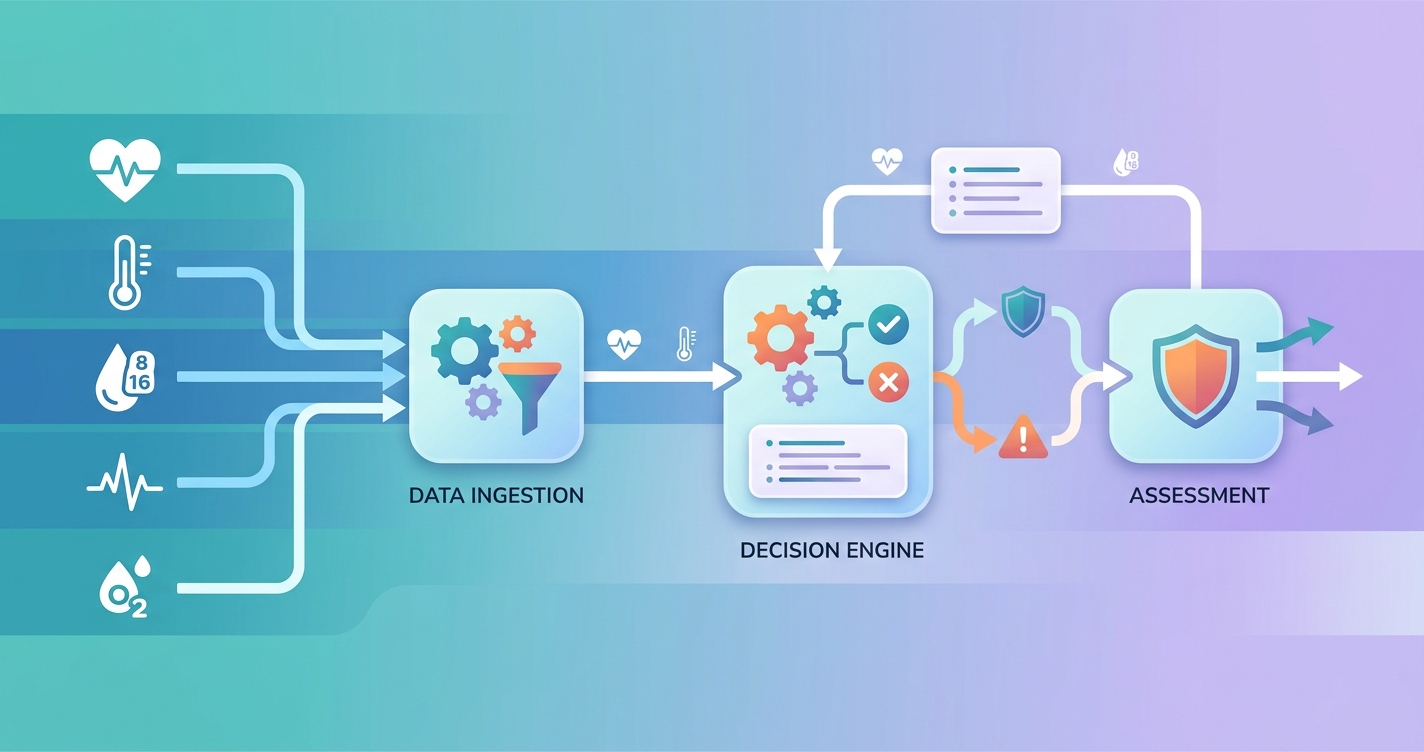
A research-driven look at how a decision engine uses vitals data, rules logic, and underwriting models to automate insurance decisions inside digital platforms.

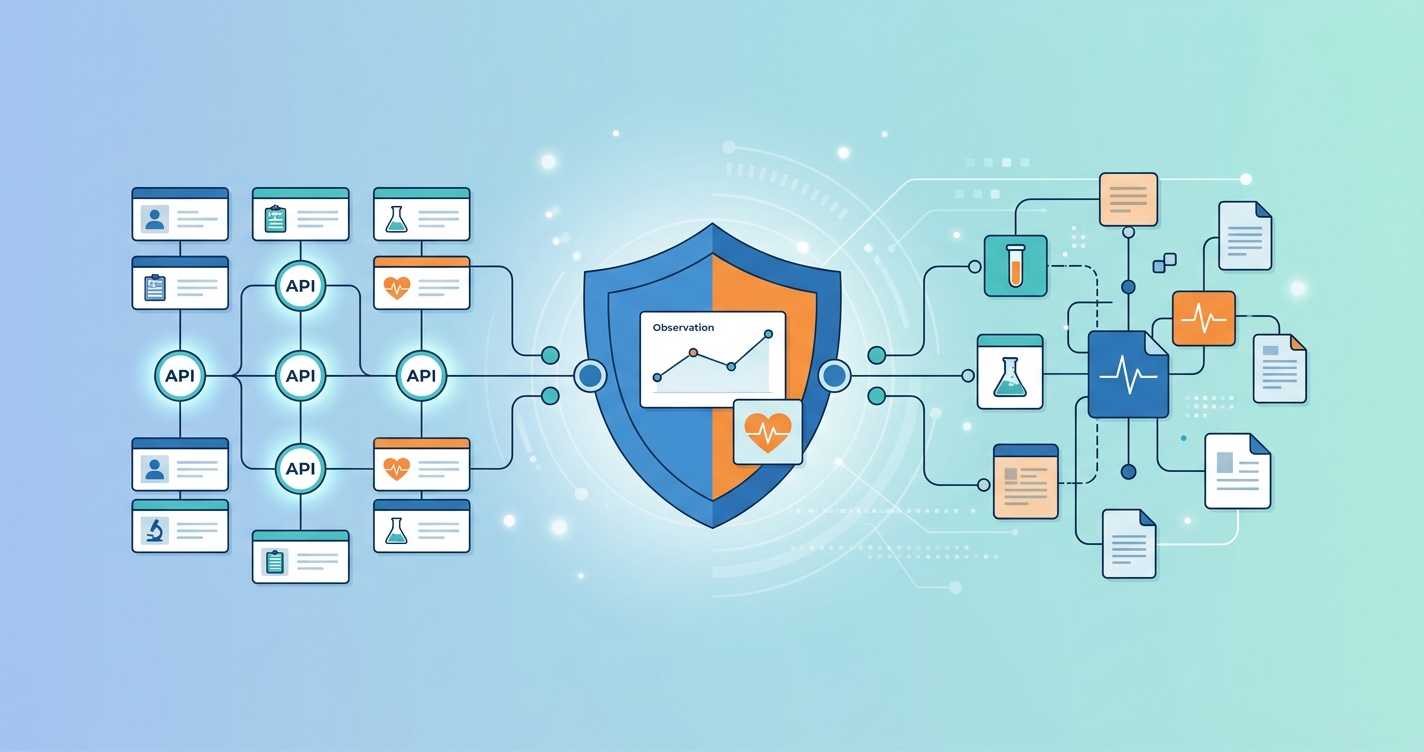
A technical analysis of FHIR vs proprietary health screening payloads for insurance teams building underwriting APIs, policy admin integrations, and audit-ready data flows.

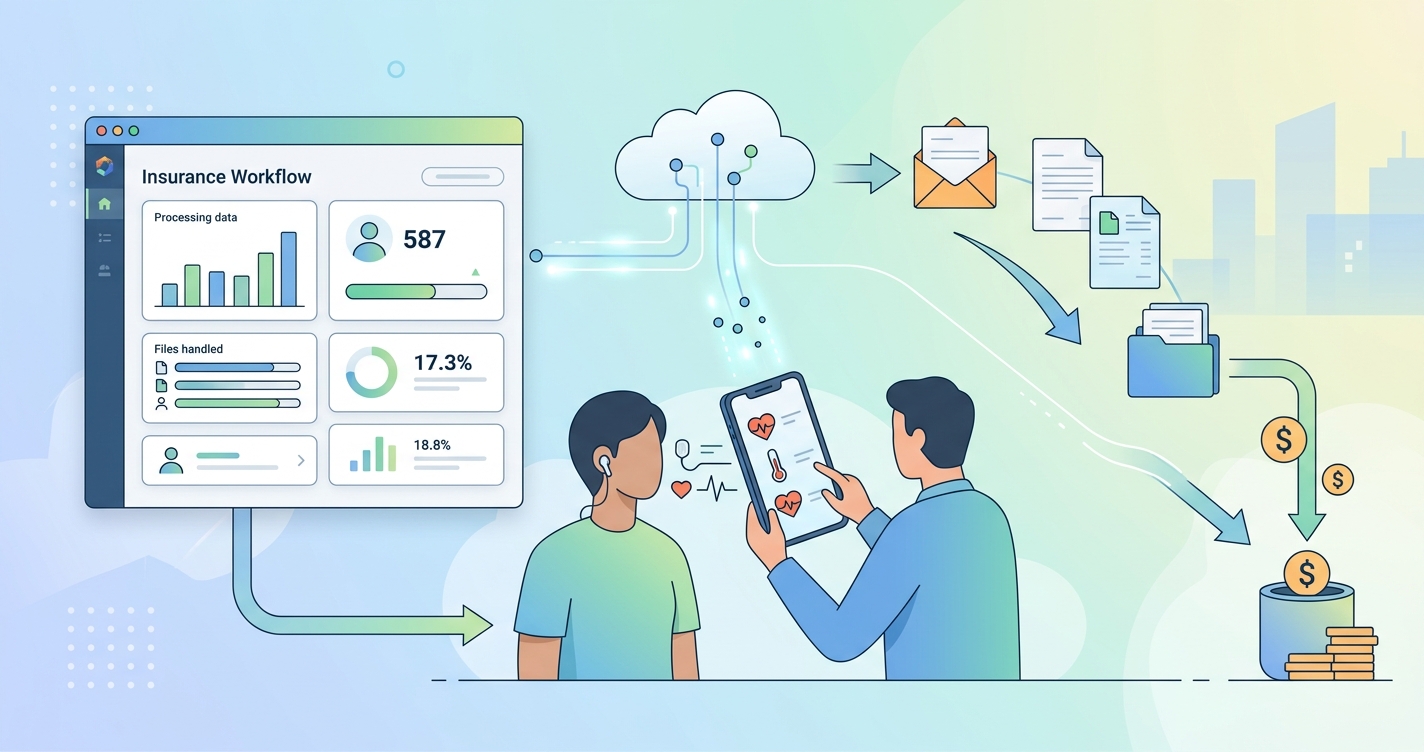
A research-led look at how insurance BPOs reduce per-file costs with automated vitals capture, lower touch time, and cleaner underwriting workflows.

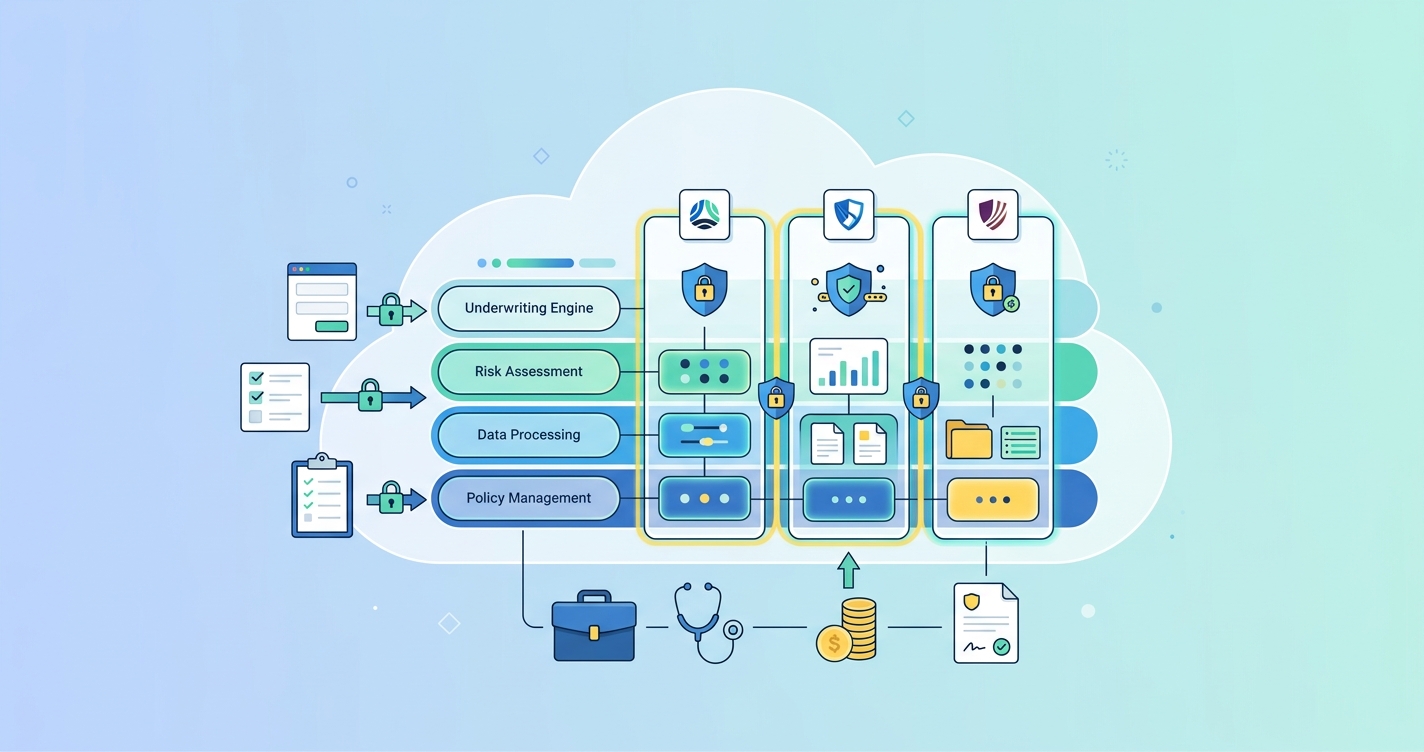
An insurance-technology analysis of how multi-tenant underwriting platforms isolate health data across carriers while balancing speed, auditability, and shared infrastructure.

A technical analysis of how insurance teams validate model drift over time when predictive underwriting vitals feed risk scoring, governance, and API workflows.

A research-driven look at how insurance teams sandbox and load test a digital underwriting API before launch, from synthetic data and rate limits to resiliency drills.

A research-driven look at underwriting platform latency, including how digital insurance teams keep risk scoring under 500ms through orchestration, caching, observability, and API design.
A review of clinical validation studies comparing camera-based vital sign measurement with medical-grade reference devices.