What happens if a 30-second insurance scan flags something I didn't know?
A phone-based health check for insurance can surface unexpected readings. Learn how digital underwriting interprets a single scan versus a follow-up, and what 'flagged' means for your policy.
A 30-second health scan on your phone is a remarkably efficient data collection method for insurance underwriting. But the speed of the process can be unsettling if the results flag a potential health issue you were unaware of. For applicants, this moment can be stressful, raising questions about the accuracy of the scan and the implications for their policy. For underwriting platform vendors and insurtech CTOs, it highlights the critical importance of how the system architecture interprets and contextualizes these data points. An isolated, "flagged" reading is not a diagnosis, nor is it the final word on an application. Instead, it is the starting point for a more nuanced, data-driven underwriting process.
"AI-driven analysis of health data has the potential to move underwriting from a static, point-in-time assessment to a more dynamic and continuous evaluation of risk. In 2023, a report by McKinsey noted that AI-powered underwriting can reduce manual effort by up to 80% and improve loss ratios by 3 to 5 points."
The anatomy of a flagged health scan
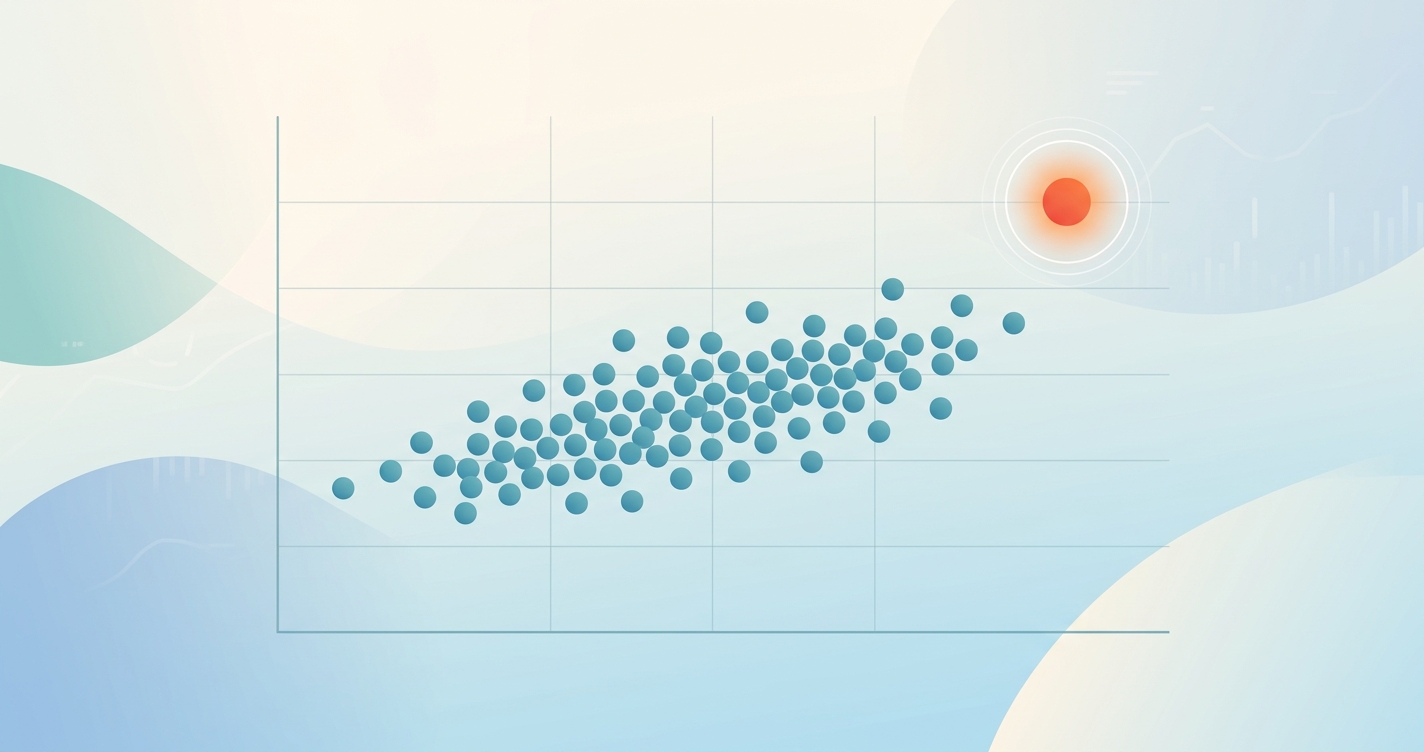
When an insurance health scan flagged a problem, it means the system's algorithms detected a reading that falls outside the expected parameters for your demographic profile. This is not a medical diagnosis but a statistical anomaly. Digital underwriting platforms use sophisticated models to analyze thousands of data points, and a single flagged reading is just one input among many. The system is designed to ask, "Is this reading significant?" not to declare, "This applicant is a high-risk individual."
A flagged result initiates a process of data enrichment and contextual analysis. The platform may cross-reference the anomalous reading with other information provided in the application, or it may request additional, more specific data. According to research by RGA, a global leader in reinsurance, the goal is not to reject applicants but to build a more complete and accurate risk profile. Diana G. G., Head of U.S. Mortality Research and Analytics at RGA, noted in a 2023 report that AI helps identify inconsistencies that warrant a second look, ensuring that human underwriters can focus their expertise where it is most needed. A flagged reading from a remote scan is a trigger for this deeper, more methodical review, not an automatic disqualification.
| Assessment Type | Single Point-in-Time Scan | Longitudinal Trend Analysis | | --- | --- | --- | | Data Source | A single 30-60 second video scan measuring vitals at one specific moment. | Multiple data points over time (e.g., historical health records, previous scans, wearables data). | | Interpretation | Provides a "snapshot" of physiological state. Highly susceptible to transient factors like stress, recent caffeine intake, or poor lighting. | Reveals patterns, stability, and trajectory of health indicators. Less influenced by single anomalous readings. | | What a "Flag" Means | The reading is statistically unusual compared to a baseline model. It is an alert, not a conclusion. | A consistent deviation from an individual's own baseline, which may indicate a more persistent underlying issue. | | Next Step | Often triggers a request for additional information or a secondary review by a human underwriter to contextualize the data. | May lead to adjustments in risk classification based on the severity and duration of the trend. | | Analogy | One photo of a car. | A video of the car being driven over different terrains and conditions. |
- A single high blood pressure reading can be caused by "white coat syndrome."
- A heart rate can be temporarily elevated due to recent physical activity.
- Skin perfusion can be affected by the ambient temperature of the room.
Industry Applications
For insurtech platforms and underwriting system vendors, handling ambiguous or flagged readings is a core competency. The architecture must be designed for resilience and accuracy in the face of imperfect data.
### real-time data enrichment
Modern underwriting platforms can be configured to respond to a flagged reading by initiating an automated, real-time data enrichment process. This could involve API calls to third-party data sources to pull in prescription history or other relevant health data that can provide context to the anomalous reading.
### automated underwriting rules engines
A flagged reading is an input to a rules engine. For example, a rule might state: "IF blood pressure is flagged as high AND applicant age is over 50 AND no history of hypertension medication is found, THEN escalate to a human underwriter for review." This automates the triage process and ensures that human expertise is applied efficiently.
### tiered follow-up protocols
Rather than a binary approve/deny outcome, platforms can implement tiered follow-up protocols. A slightly anomalous reading might trigger an email asking the applicant to retake the scan in a calmer environment. A more significant flag might route the application to a team for a tele-interview, providing a human touch to clarify the situation.
Current research and evidence
The use of remote photoplethysmography (rPPG), the technology behind most phone-based health scans, is well-documented in academic literature. A 2021 study published in Nature Scientific Reports by researchers at the University of South Australia demonstrated that while rPPG is highly correlated with traditional measurement devices like ECGs and pulse oximeters, its accuracy can be influenced by factors such as skin tone, lighting conditions, and motion.
This is where the sophistication of the underwriting model becomes critical. The system must be able to account for these potential sources of error. As noted by the Casualty Actuarial Society, the fundamental principle of underwriting is the analysis of trends, not single data points. A single flagged scan is an outlier until proven otherwise, and it is the platform's ability to integrate multiple data sources that provides a robust and fair assessment of risk.
The future of flagged data
The future of digital underwriting will involve even more sophisticated methods for handling flagged data. We can expect to see AI models that Flag anomalies. Provide a "confidence score" for each flag, indicating the statistical likelihood that the anomaly represents a genuine health risk. Furthermore, as more individuals use wearable devices, underwriting platforms will be able to ingest this continuous stream of data to create a dynamic, longitudinal view of an applicant's health, making the significance of a single 30-second scan even more contextual. The trend is moving away from a single point of failure and towards a more holistic, continuously updated risk profile.
Frequently asked questions
What does it mean if my insurance health scan flagged a problem?
It means one or more of the readings from your 30-second scan fell outside of the typical range expected by the insurance provider's algorithm. It is not a medical diagnosis. It is a data point that requires further review to be properly contextualized, often by requesting more information or having a human underwriter review the application.
Can I be denied insurance based on a single flagged scan?
It is highly unlikely. A single flagged reading from a brief, remote scan is generally not sufficient grounds for a final underwriting decision. Insurers are required to base their decisions on a comprehensive assessment of risk. A flagged scan is typically a trigger for a more detailed review process, which may include follow-up questions or a request for additional health information, rather than an automatic denial.
What should I do if a scan flags a health issue I didn't know about?
While a flagged scan is not a medical diagnosis, it can be a prompt to check in with your doctor, especially if you have other reasons to be concerned. For the insurance application, the best course of action is to be transparent and responsive to any follow-up requests from the insurer. This will help them build an accurate picture of your health status.
The sophistication of risk-scoring models is a key differentiator for digital underwriting platforms. At Circadify, we are building the next generation of tools to help insurers and vendors handle ambiguous readings with greater accuracy and fairness. To learn more about how our API and sandbox environments can help you refine your risk-scoring protocols, visit our team at circadify.com/custom-builds.